

Spring
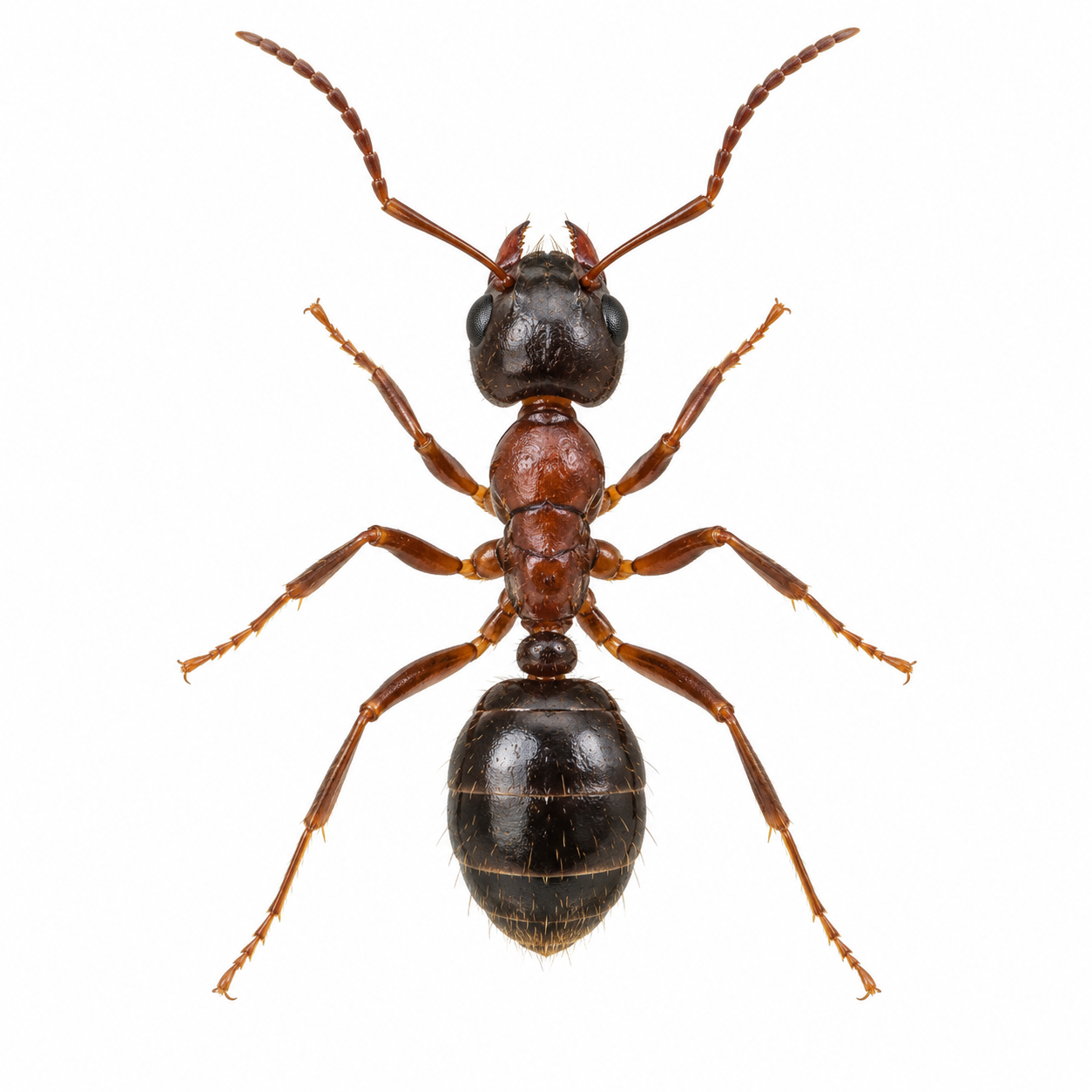
Ants & outdoor activity
As temperatures warm, watch for ant trails near foundations, doors, and kitchens. Check screens and entry gaps before windows stay open.
Utah County’s changing seasons bring a changing mix of pest activity, from ants around the home to rodents seeking indoor shelter as temperatures fall. AQUILA provides pest control for homes, restaurants, and commercial properties throughout Utah County, with ongoing plans scheduled around the region’s seasonal conditions.
Book Service NowOur markets: Utah County, Utah; Maricopa County, Arizona; and Lee County, Florida.
Our Arizona and Florida routes are centered on Tempe and Fort Myers, generally within about a 75-minute drive. Enter your ZIP for a first check; AQUILA confirms the exact address and route before booking.
Ant trails, spider webs, and rodent activity can affect different parts of a Utah County property throughout the year. Kitchens, garages, landscaped areas, and foundation gaps each offer different sources of food, moisture, or shelter. Recurring activity often reflects conditions beyond the spot where a pest first appears.
AQUILA’s Utah County plans pair monthly billing with scheduled visits every three months. The treatment scope depends on the pest and property; specialty work, including termite treatment or exclusion, may require a separate service agreement.
A home, restaurant, and commercial space may need different preparation and treatment guidance. Tell AQUILA about children, pets, food areas, access restrictions, and where you see activity.
Call, text, or send an inquiryFrom warming spring days to cold-weather shelter seekers, Utah County’s pest concerns change with the conditions around your property.
Ants & outdoor activity
As temperatures warm, watch for ant trails near foundations, doors, and kitchens. Check screens and entry gaps before windows stay open.
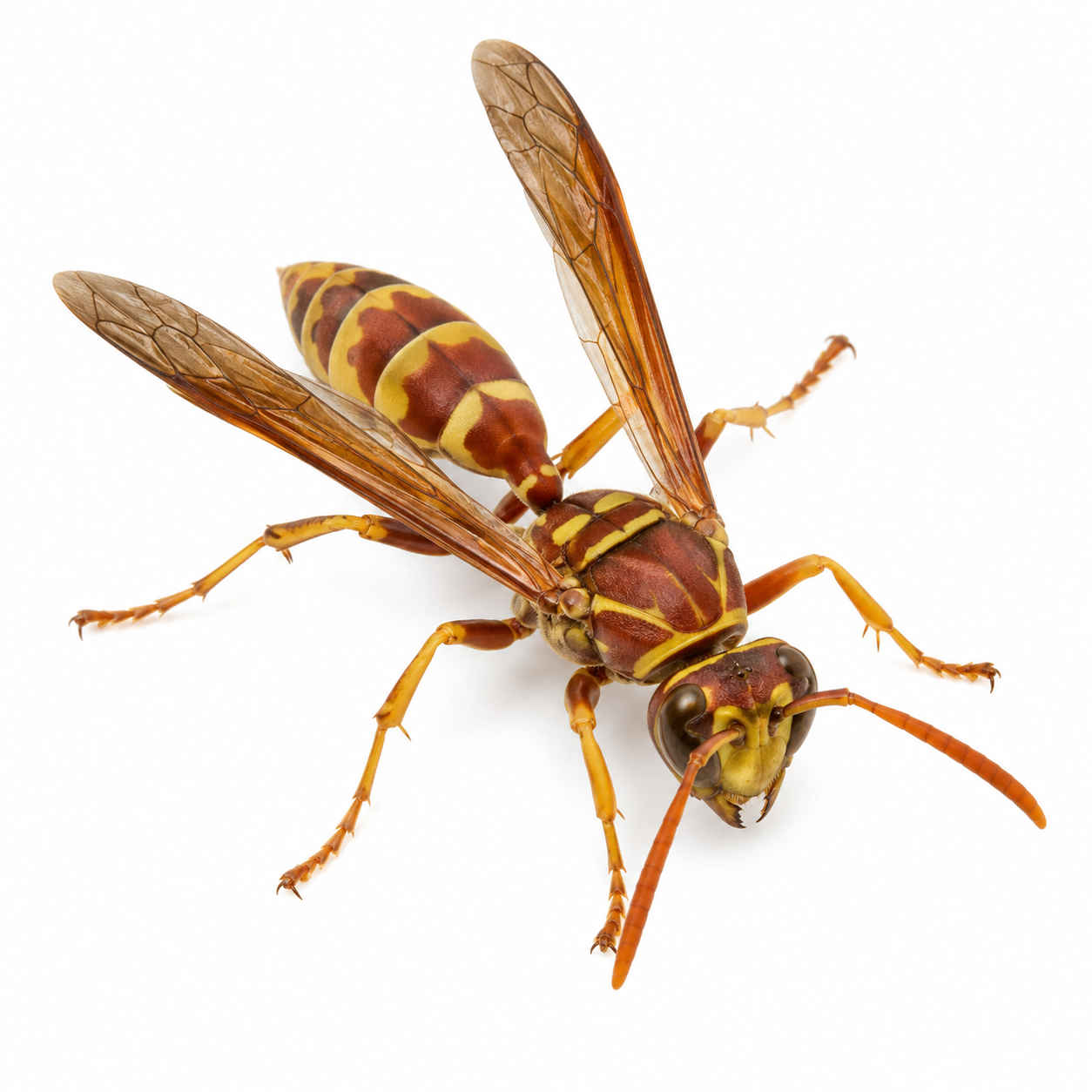
Wasps & active outdoor spaces
Watch eaves and sheltered outdoor areas for wasp activity. Note spider activity around entryways and keep food and water sources managed.
Mice & indoor entry points
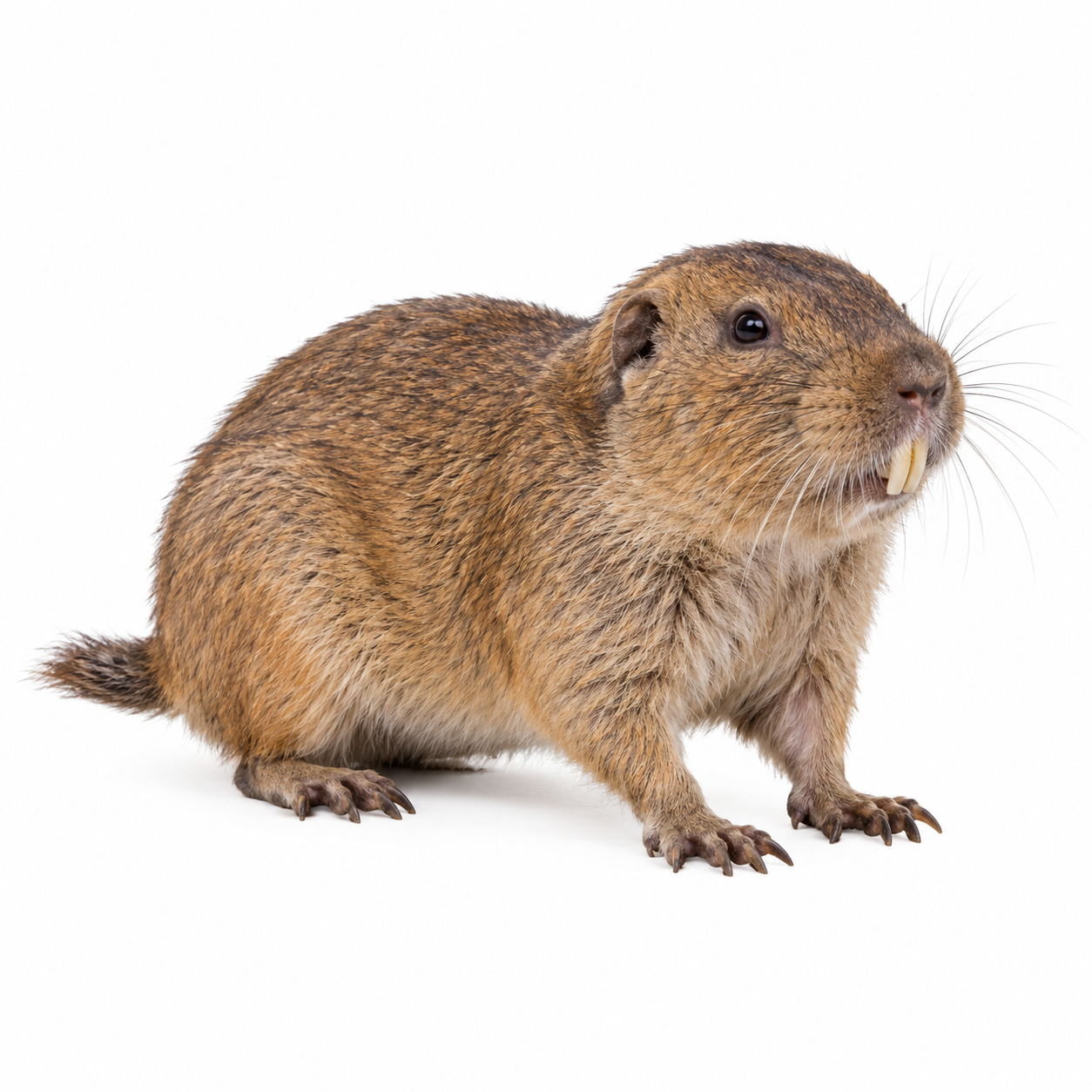
Cooling weather can send mice toward food and shelter indoors. Check door sweeps, utility gaps, garages, and storage spaces.
Indoor signs still matter
Mice already indoors can stay active. Watch for droppings and activity around food storage; report signs even when the yard looks quiet.
These are examples of seasonal concerns, not a complete pest list, a treatment calendar, or a limit on service. Weather, buildings, and pest species change the pattern. Report pest activity any time; AQUILA confirms coverage and any specialty treatment needed.
Pay monthly. Scheduled visits every 3 months in Utah County, Utah. Start with your $69.99 initial service, then choose the ongoing plan available for your market. Scheduled treatments tailored to your plan.
General educational guidance informed by university extension resources. Not a forecast or a promise that all listed pests are included in a general plan. Reviewed October 17, 2026.
Utah State University: urban pests · Utah State University: cold-weather mice
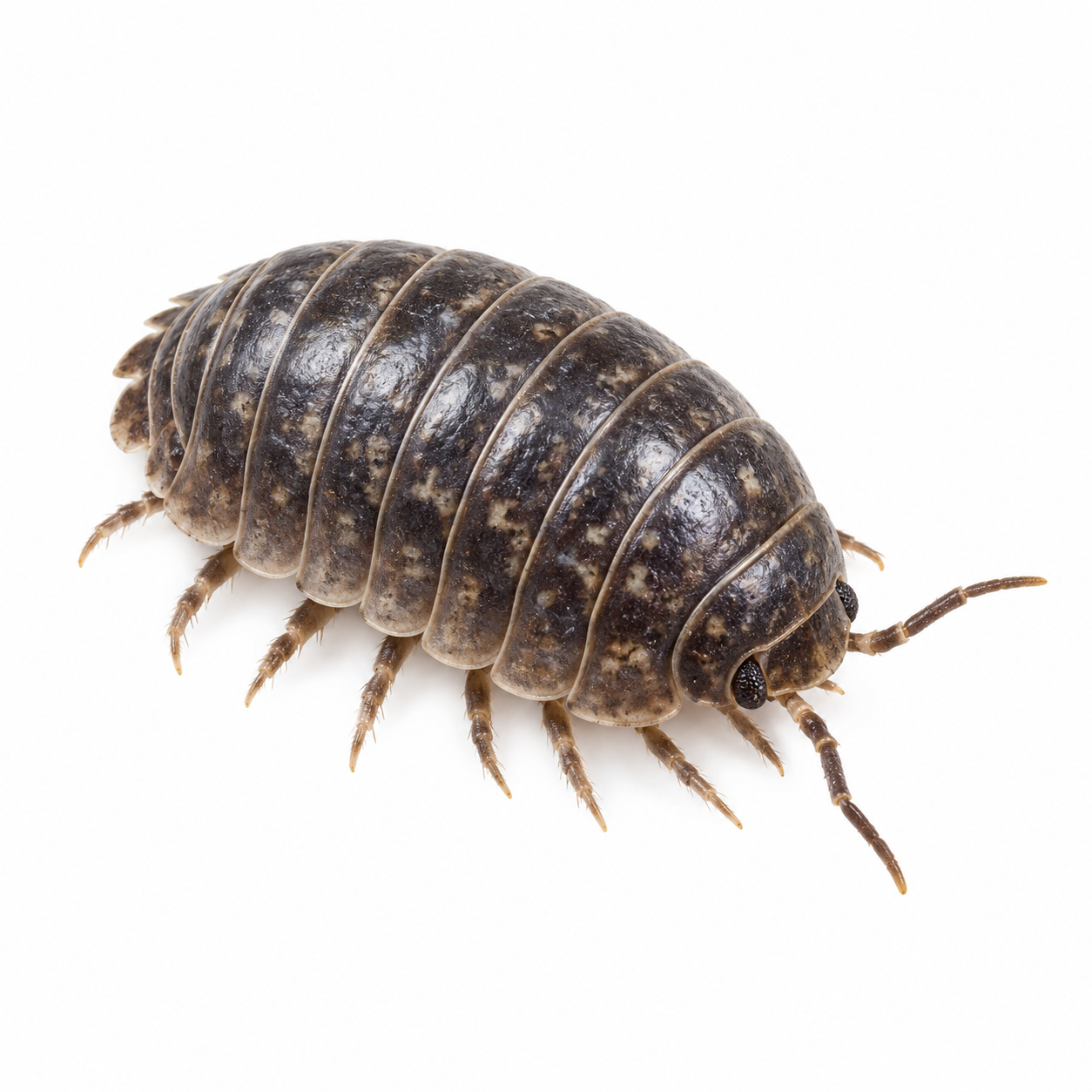
Ants, spiders, wasps, rodents, and seasonal invaders can be relevant concerns. Elm seed bugs are documented in Utah and may enter buildings through gaps. Identification matters before deciding on treatment.
Elm seed bugs feed on seeds and can gather around buildings. Closing small gaps and repairing screens can help reduce indoor entry. A treatment discussion should include the surrounding conditions, not just bugs already inside.
Keep checking interior storage areas, food supplies, and entry gaps even when outdoor activity changes. An inspection and your pest history are better guides to service timing than the calendar alone.
AQUILA accepts inquiries for residential homes, restaurants, and commercial properties in its markets. Share your property type and pest concern so the team can confirm the appropriate service and address coverage.
Browse general questions about booking, pricing, and preparation
Upcoming local articles. Full stories will be published on the AQUILA blog.

A future local guide to noticing activity, entry points, and conditions worth discussing with AQUILA.
Article coming soonPlanned reading on elm seed bugs and other occasional visitors around homes and businesses.
Article coming soon